
 0
0
 0
0
U.S. TikTok users are flooded with videos from Chinese influencers, urging them to sidestep Trump-era tariffs by purchasing goods straight from China, often called the “world’s factory.”
Shot primarily within Chinese factories that claim to supply major U.S. brands like Lululemon Athletica Inc. and Nike Inc., these videos seek to reveal the origins of most consumer goods produced in the world’s second-largest economy. Influencers often provide website links and contact details, urging viewers to order directly from suppliers. One creator, promoting luxury handbags, remarked, “Why not reach out and buy directly from us? You won’t believe the prices we offer.”
TikTok creator @LunaSourcingChina showcases a factory that she claims produces Lululemon yoga leggings for only $5 to $6, compared to their retail price of over $100 in the U.S. “The material and craftsmanship are almost identical,” she says.
@lunasourcingchina So who pays the tarrif??? Me or you? #chinasourcing #sourcingtips #sourcingagent #yiwuagent #yiwuminigoods #Lunasourcingchina #chinasource #commodity #tariff #tariffsandtaxes #foreigntrade #tax #trump #trumpsupporters #chinesetariffs #eggs #eggprices #factory#chinashipping #wholesale #alibaba #directfactory #chinasupplier
Several widely viewed videos, many originally posted in March but gaining momentum recently, have been boosted by a clip titled “China exposed the truth,” which had garnered 8.3 million views and 492,000 likes as of Monday morning in New York. Another video, alleging to unveil Lululemon’s Chinese supplier, accumulated 2.6 million views and over 215,000 likes, while a third, titled “How we bypass tariffs,” approached 1 million views with 118,000 likes.
The sudden surge of similarly themed videos hints at an escalating backlash against President Donald Trump’s extensive tariffs, including the recently announced 145% levy on China. Although it’s uncertain how direct purchases from Chinese suppliers might enable consumers to evade these tariffs, particularly with the duty waiver for small parcels to U.S. homes set to expire on May 2, the trend underscores growing global resistance to the trade policies and challenges the White House’s assertion that they benefit American interests.
The wave of posts underscores the increasing influence of Chinese creators in connecting with Americans’ daily lives. TikTok’s powerful algorithm, capable of shaping the viewing habits of millions of U.S. users, continues to raise concerns and drive U.S. government efforts to compel its Chinese parent company, ByteDance Ltd., to sell off its international operations. TikTok has not yet responded to requests for comment.
Amid rising uncertainty about TikTok’s future accessibility, other Chinese social media platforms, like Xiaohongshu (also known as Red Note), have been steadily gaining popularity among young U.S. users.
On Friday, the U.S. government unveiled tariff exemptions for various Chinese imports, including electronics, computers, and semiconductors. However, the duration of these exemptions remains uncertain. Notably, the exemptions do not extend to many Chinese-made products showcased in TikTok videos, such as apparel and accessories.
@truthdesigner
Numerous European luxury brands are featured in the videos, though the creators fail to explain their relevance in content that opposes U.S. trade policies.
These videos raise pressing issues regarding confidentiality, specifically, whether the factories involved are bound by non-disclosure agreements with international clients, and the potential consequences for their relationships with prominent global companies.
Cameron Johnson, a senior partner at Shanghai-based consultancy Tidalwave Solutions, views the trend as indicative of a wider transformation in sourcing strategies after his recent visit to Yiwu, the manufacturing hub.
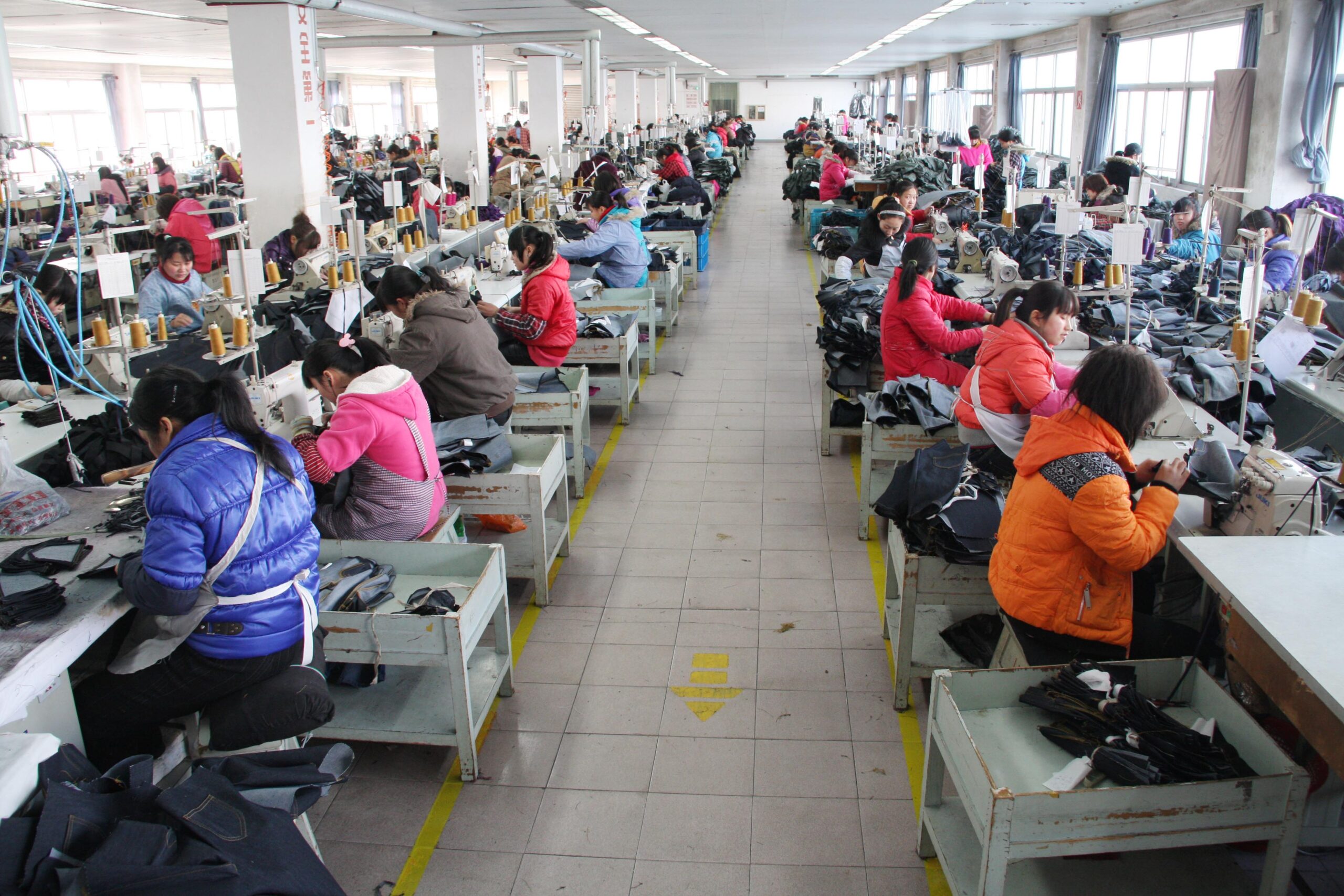
In the past, sourcing products often involved relying on middlemen or trading companies, managing quality control through them, or personally visiting factories to build relationships and occasionally checking in,” he explained to Bloomberg TV. “Now, however, we are witnessing a complete democratisation of the sourcing process.
The rise of these videos not only showcases a shift in sourcing practices but also raises broader questions about global trade dynamics, confidentiality, and the role of social media in reshaping consumer behaviour. As these trends unfold, their implications for brands, governments, and consumers alike are bound to grow even more profound.