
 0
0
 0
0
Olga Lee, the Uruguay-based production company with global reach, takes a new step in the creative use of Artificial Intelligence with Invisible, a short film for Tienda Inglesa in which 100% of the images were generated using AI. The project marks the beginning of a new phase for the company, combining cutting-edge technology with narrative sensitivity and a deeply cinematic perspective.
Far from focusing on the “how it was made,” Invisible stands out for something much more challenging to achieve: a solid, emotional, and engaging story that proves AI can enhance a narrative without overshadowing it. “The focus is on how we use this tool to elevate stories, to do what we couldn’t do before,” the team at Olga Lee explains.
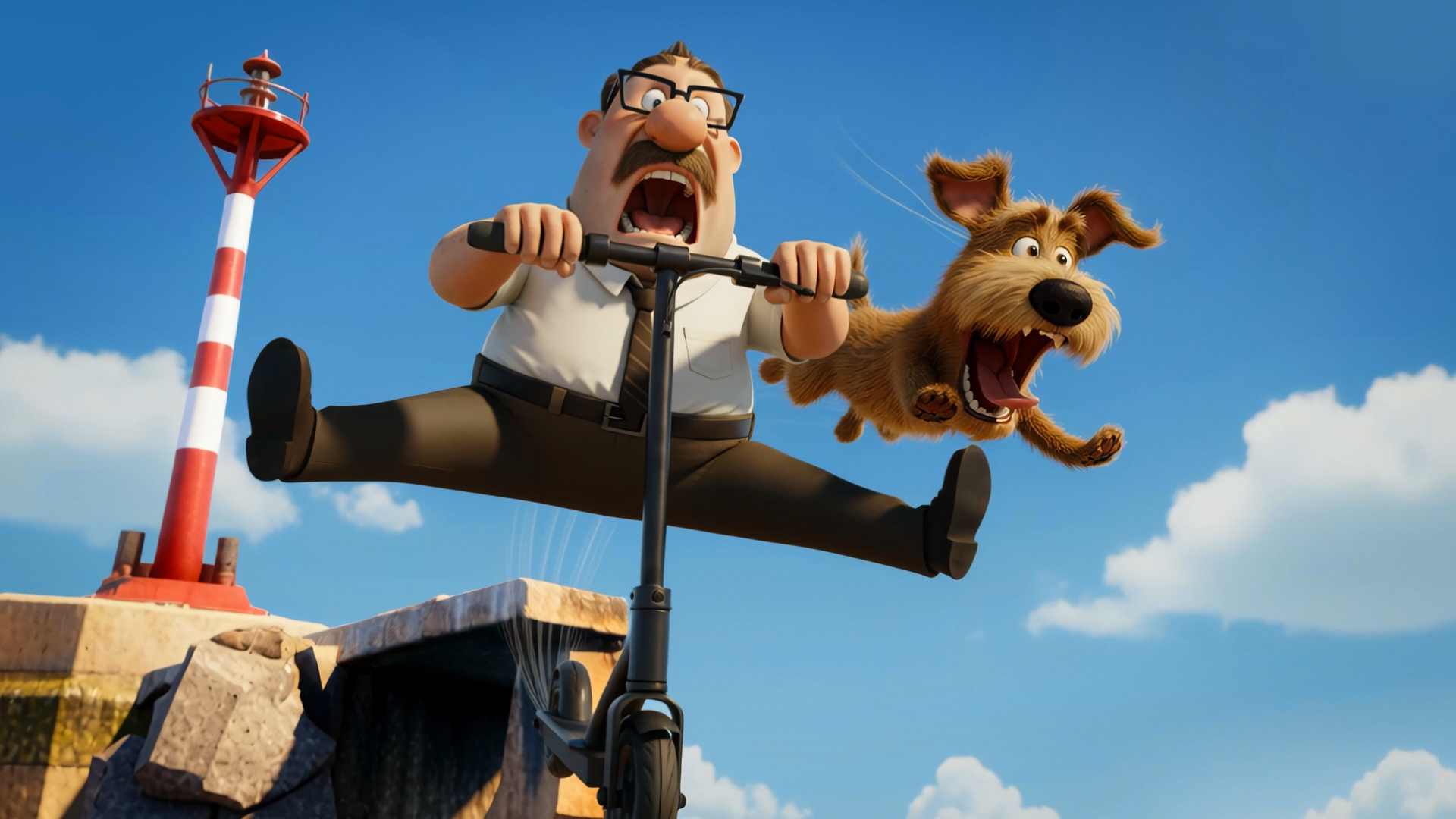
Oliver Lee Garland, the film’s director, says the short opened “a new room within the craft” for him. Since he does not come from a post-production background—his strengths lie in working with actors, emotional timing, and storytelling—the AI experience was particularly surprising.
“I’m not a director who comes from post-production. I’m mainly a director of actors and narrative pieces, both comedic and emotional. For me, this is a new world. AI makes the animation process more like a shooting process. You ask for a framing, an acting choice, and it returns something unexpected. Then you refine versions, adjust nuances, repeat the take. That interplay between the intentional and the surprising is the same one you get on a real set,” says Oliver Garland, Founder and Director of Olga Lee.
A Two-Month Craft-Driven Process
According to the company, the project required over two months of dedication from a team of prompters, post-producers, editors, colourists, and a meticulous sound design department. The music revolves around an emotional song by Franny Glass, which gives the piece its heart.
The process began with an idea from the agency Publicis Ímpetu, and the first step was to develop a script that could sustain a cohesive cinematic narrative. Then came the design of characters and settings, finding the balance between realism and animation. Afterwards, a hybrid storyboard—mixing hand-drawn sketches with AI-generated frames—shaped the final structure. In parallel, the team scouted real locations in Montevideo, following a traditional scouting process that was later translated into an AI-based approach.
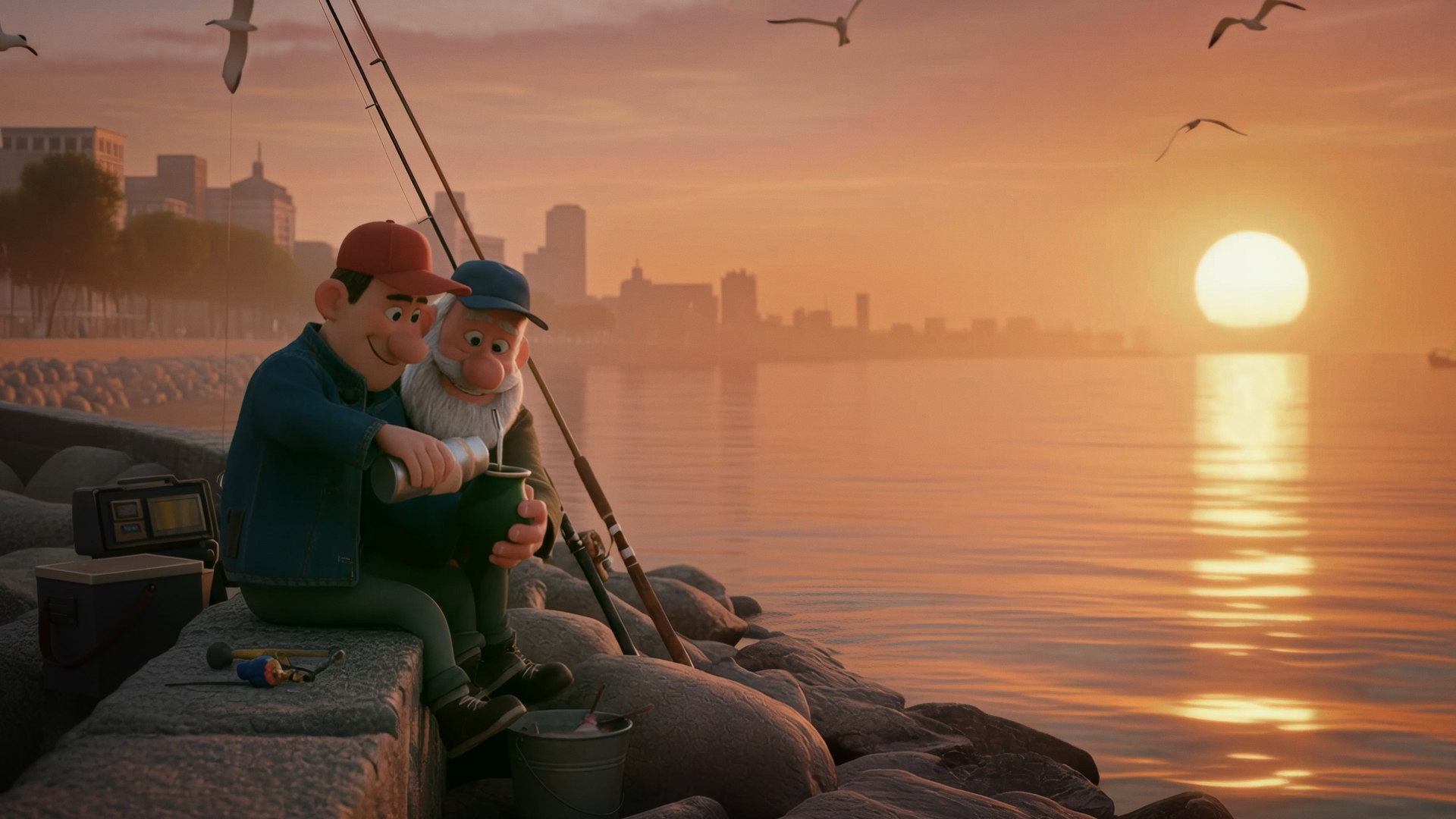
The final stage—the most intense—was animating every shot. “Shaping each moment, shot by shot, was almost like sculpting,” Oliver explains.
The Olga Lee team is enthusiastic about the doors this project opens: a new line of work where technology expands creative freedom. The company has already announced it will continue exploring the narrative and visual possibilities that AI makes accessible to directors. “This project reminded me that being a director depends on how one sees and listens to what does not yet exist,” Garland concludes.